
Articles
Practical guidance on returns, sustainability, and EU regulation.
In-depth articles on the operational, regulatory, and environmental dimensions of fashion e-commerce returns. We publish these because the retailers we work with need this material, and most of it doesn't exist anywhere else in usable form. Free to read, free to share, no email required.
 Strategy12 min read
How Forwarding solves the out-of-stock problem for high-volume fashion retailers
Popular SKUs sell out fast and take 7 to 14 days to restock through the conventional warehouse cycle. Peer-to-peer return forwarding can close this gap to 2 to 4 days by routing returns directly to waitlisted customers, recovering revenue that the conventional restocking cycle defers or loses.
Last updated:
 Financial13 min read
Not all returns are equal: which ones make money
Most retailers treat returns as a single category and optimise the aggregate. Returns actually segment into four groups by profitability: profitable, neutral, deeply unprofitable, and fraudulent. The operational response should differ by segment.
Last updated:
 Technical14 min read
How peer-to-peer return forwarding integrates with your ERP
The make-or-break technical question in any peer-to-peer routing evaluation: how does it actually integrate with the ERP? Three patterns work in practice across the major systems, none requiring custom development. A reference for IT directors and controllers.
Last updated:
 Education13 min read
Peer-to-peer returns: what they are, how they work, and what they mean for fashion retailers
An emerging return model routes returns directly from one customer to the next without warehouse processing. This article explains the mechanism, where it fits, where it does not, and how to evaluate it as one option among several.
Last updated:
 Operations12 min read
How to prepare your operations team for the new returns reality
Operations teams that have run returns the same way for years now face higher volumes, regulatory pressure, capacity constraints, and environmental accountability simultaneously. The teams that adapt fastest gain real advantage.
Last updated:
 Strategy10 min read
How to make your return policy a competitive advantage
Return policies have shifted from a race to the most generous toward thoughtful designs that reduce abuse without alienating good customers. Done well, return policy becomes a brand signal and competitive moat, not just a cost line.
Last updated:
 Sustainability12 min read
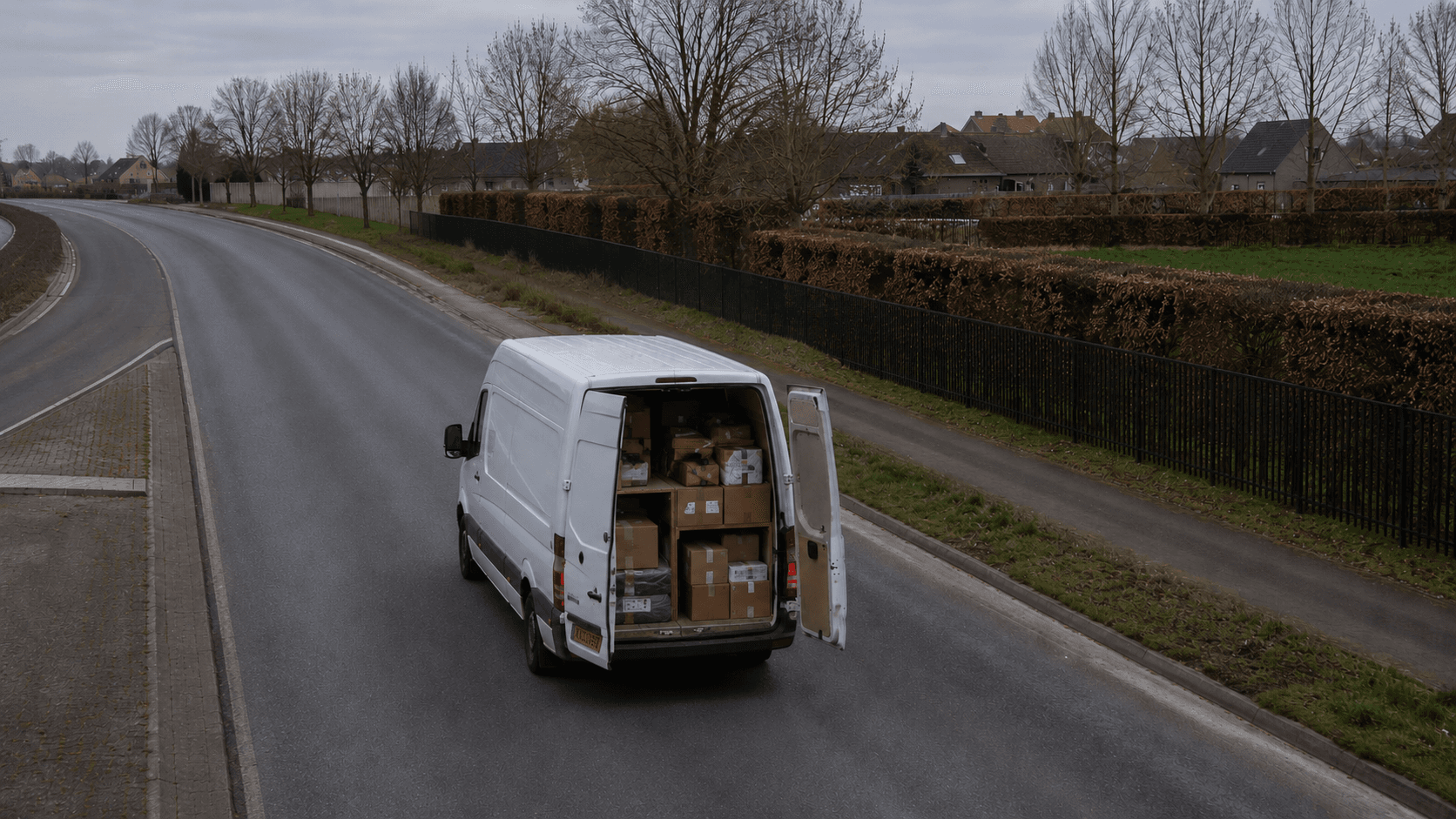
How to reduce CO₂ emissions from e-commerce returns
Return-related emissions are a substantial part of fashion's environmental footprint. The reduction levers are: cut return volume, route returns more efficiently when they happen, minimise packaging waste, and report what is actually measurable rather than what sounds impressive.
Last updated:
 Financial12 min read
How to calculate the true cost of a return (the hidden line items)
Most retailers undercount what a return actually costs. Once depreciation, opportunity cost, write-off, and customer-service overhead are properly attributed, returns are typically 2 to 3 times more expensive than spreadsheet defaults suggest.
Last updated:
 Compliance13 min read
Extended Producer Responsibility (EPR) for textile retailers: what to expect and how to prepare
What EPR means for fashion retailers: how the schemes work, which countries are implementing them, the costs to expect, and how to prepare your operations and reporting through 2026.
Last updated:
 Compliance15 min read
EU sustainability regulations for fashion retailers: a comprehensive guide
CSRD, PPWR, ECD, ESPR, EPR: five EU regulations transforming fashion retail in 2026. What each requires, the deadlines, and how retailers can prepare across the full compliance map.
Last updated:
 Operations11 min read
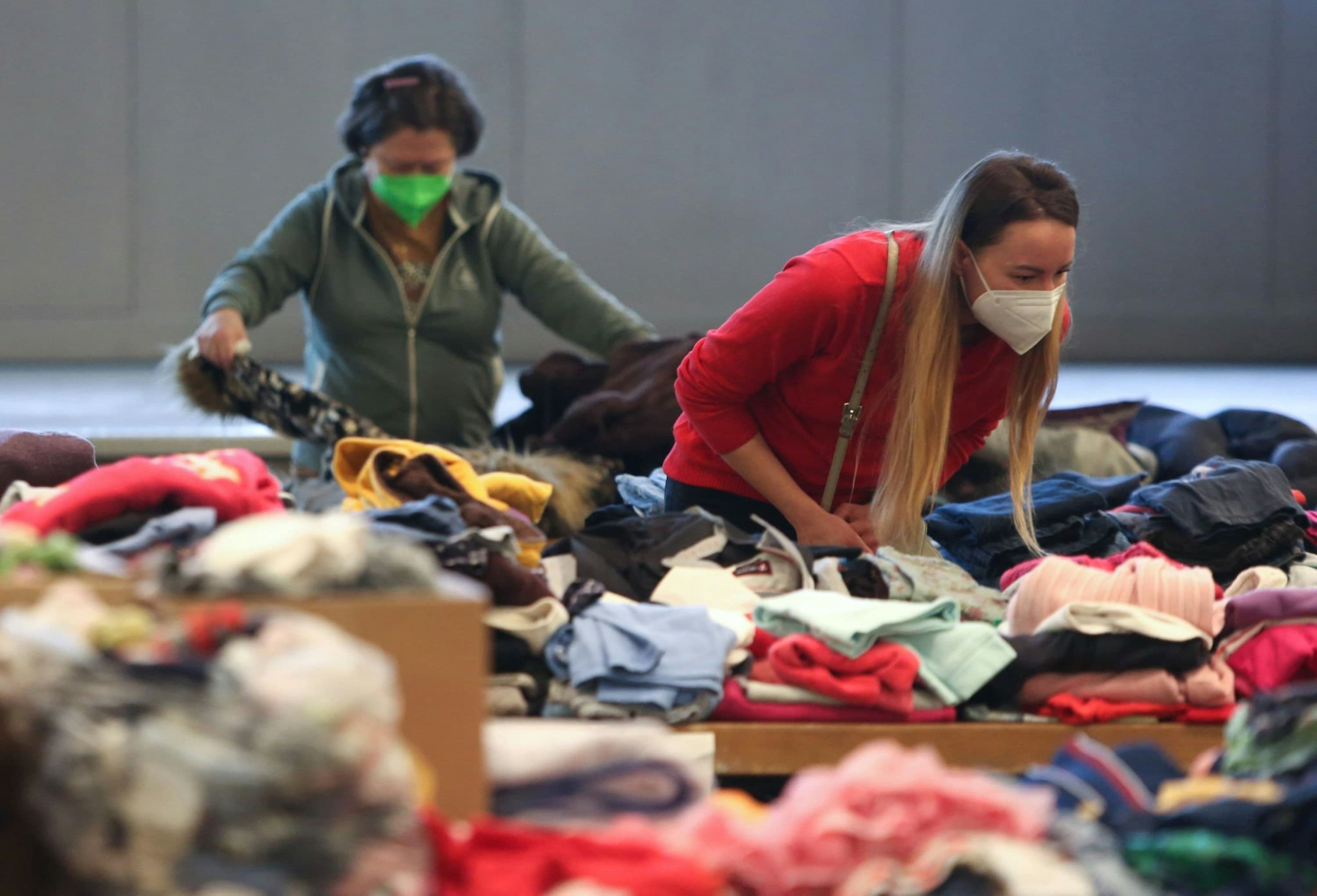
How to reduce your online returns: a practical guide for fashion retailers
Fashion retailers face return rates of 30 to 40% in Europe. Here are the most effective ways to bring those rates down: better sizing data, accurate photography, honest descriptions, smarter review surfacing, and operational changes to the return process itself.
Last updated: