Compliance
What EPR means for fashion retailers: how the schemes work, which countries are implementing them, the costs to expect, and how to prepare your operations and reporting through 2026.

Carl van Heijst
Co-founder, It Goes Forward · 13 Min Lesezeit · Zuletzt aktualisiert:
Übersetzung folgt. Wir zeigen die englische Version.

Extended Producer Responsibility, EPR, is the policy framework that shifts the cost of post-consumer waste from taxpayers and municipalities back to the producers and retailers who put products on the market in the first place. EPR has been applied to packaging, electronics, and batteries for years across Europe. From 2025 onwards, it is being applied to textiles.
For fashion retailers, this means a new line of operating costs and a new set of reporting obligations. Scheme structures vary by country, but the direction is consistent: retailers will pay scheme fees calculated based on the volume and characteristics of textile products they sell, and these fees fund the collection, sorting, recycling, and disposal of textile waste at end of life.
This article covers how textile EPR works, which countries have implemented or are implementing it, what fees retailers should expect, and how to prepare operationally and financially. It is written for retailers selling fashion or household textiles into the EU and the United Kingdom, regardless of company size, since most schemes capture even small importers.
Extended Producer Responsibility is a policy approach that internalises the post-consumer cost of products into their pricing. Under EPR, the producer (or, for imported goods, the entity placing the product on the market) is financially responsible for the waste their products eventually become.
For textiles specifically, the rationale is significant:
The EU's textile EPR mandate is part of the broader EU Strategy for Sustainable and Circular Textiles, which targets reducing textile waste, increasing recycling rates, and shifting financial responsibility for end-of-life management onto producers.
The intended effects are: higher recycling investment (because schemes are funded), price signals on more recyclable products (through eco-modulation), and a gradual reduction in the fast-fashion economics where externalities are ignored.
Implementation varies significantly by country. Below is a snapshot at the time of writing (April 2026), but the picture continues to move and retailers should verify current status with each scheme directly.
France has the longest-established textile EPR scheme. It has been operating since 2007 under Refashion (formerly Eco TLC). All companies placing more than 5,000 textile items on the French market annually must register and pay scheme fees. France's framework is the model many other EU countries are now following.
Netherlands introduced textile EPR in July 2023 under the UPV Textiel framework. All producers, importers, and online retailers selling clothing or household textiles in the Netherlands must register and report quantities placed on the market.
Sweden has a textile EPR scheme with implementation underway through 2024 and 2025.
Spain is implementing textile EPR as part of its broader waste regulation overhaul, with scheme launch in 2025.
Germany is in the legislative phase, with implementation expected in 2025 to 2026. Industry associations have been actively engaged in the design of the scheme.
Italy, Belgium, Denmark, Austria, and Poland all have textile EPR frameworks under active development as of 2025 to 2026, varying in implementation timeline and scheme design.
The EU Waste Framework Directive (as amended in 2018 and again in 2023) requires all member states to have textile EPR schemes operational, though in practice implementation has run behind schedule in several countries. The proposed revisions to the directive (currently in trilogue) would tighten this.
For retailers selling cross-border, this means navigating multiple schemes simultaneously. A retailer selling into France, the Netherlands, and Sweden must register with all three, report in all three, and pay scheme fees in all three currencies under three sets of rules. A pan-European retailer faces compliance obligations in five to ten schemes within a few years.
EPR fees are typically calculated per item placed on the market. The base fee varies by:
As an indicative example, the French Refashion scheme charges roughly €0.06 to €0.30 per item depending on category and eco-modulation factors. For a retailer selling 100,000 items per year into France, this represents €6,000 to €30,000 in annual scheme fees. Not dominant in the cost structure, but not negligible either, and the fees are scheduled to rise.
Eco-modulation is the policy mechanism that creates incentives for more sustainable products. Items that are easier to recycle, made from durable materials, or designed for longer life pay lower fees. Items that are short-lived, made from mixed materials that cannot be recycled, or contain harmful additives pay higher fees. The differential creates a financial incentive to design more sustainable products. Refashion's eco-modulation grid is the most developed example and is being copied (with adjustments) in other schemes.
For retailers, this means fee modelling needs to incorporate product mix. A brand heavy on basics (t-shirts, jeans) made of pure cotton pays less per item than a brand heavy on fast-fashion synthetics with complex compositions.
Cumulative cross-border exposure is the part most retailers underestimate. A single SKU sold across five EU markets pays scheme fees in each, calculated separately. The cumulative cost across markets often exceeds the per-market figure that retailers focus on initially. Multi-country fee modelling is becoming standard for any brand selling across more than two or three EU countries.
Once EPR applies to your business, several operational changes are required:
Register with the scheme operator in each country. Each EU country with active EPR has a designated scheme operator (Refashion in France, Stichting UPV Textiel in the Netherlands, and so on). Registration is mandatory before placing products on that market.
Track and report quantities placed on the market. Retailers must report how many products of each category they placed on each market, typically annually or quarterly depending on the scheme. This requires accurate SKU-level data tied to country of sale.
Apply scheme labels where required. Some schemes require visible labelling on products or product pages. France's Triman logo is the most established example. Several other countries are introducing similar requirements.
Manage take-back obligations. Some EPR schemes require retailers to accept returned products at end of life, separate from the standard return policy. Larger physical retailers in France, for example, must accept used textiles in store regardless of where they were originally purchased.
Pay scheme fees. Annual fee billing based on declared volumes. Late or inaccurate declarations attract penalties, and several schemes audit declared volumes against estimated market presence.
For e-commerce retailers operating across multiple EU markets, this operational layer is meaningful work. Many mid-sized retailers now have dedicated EPR coordination roles, or use specialist consultancies to manage cross-border compliance.
Beyond operational compliance, EPR creates reporting obligations that intersect with other regulatory frameworks.
Declarations to scheme operators. Annual or quarterly volume declarations, broken down by category, material, and (for some schemes) country of origin and end-of-life destination.
Integration with CSRD reporting. For larger retailers subject to the Corporate Sustainability Reporting Directive, EPR-related data feeds directly into Scope 3 emissions reporting and ESRS disclosures. The scheme fee paid per item is itself a sustainability cost that should appear in financial statements.
Audit and verification. Several schemes require third-party verification of declared volumes. Misreporting can trigger penalties and reputational risk if discovered.
Documentation for B2B partners. Wholesale customers and resellers increasingly request EPR compliance documentation as part of their own sustainability due diligence. Producers placing products on the market are typically responsible for providing this.
The administrative weight of EPR compliance is real, particularly for retailers with cross-border operations. Investment in compliance tooling (registration management, reporting automation, scheme fee calculation) is becoming standard.
EPR does not sit alone. It intersects with several other 2026 regulatory pieces:
Ecodesign for Sustainable Products Regulation (ESPR) introduces standards for textile durability, repairability, and recyclability. ESPR-compliant products will typically attract lower EPR scheme fees through eco-modulation. The two regulations create reinforcing incentives for sustainable design.
Empowering Consumers Directive (ECD) prohibits unsubstantiated environmental claims in marketing. Retailers paying EPR scheme fees and claiming to support textile circularity must be careful that claims align with what the fees actually fund.
Corporate Sustainability Reporting Directive (CSRD) treats EPR fees as a measurable sustainability cost. Larger retailers must report this in their annual sustainability disclosures.
Packaging and Packaging Waste Regulation (PPWR) creates separate but parallel obligations for the packaging surrounding textile products, including return shipping packaging. Retailers building EPR compliance infrastructure should think about packaging EPR simultaneously.
The combined effect: EU sustainability regulation in 2026 is creating a coordinated framework rather than a series of disconnected obligations. Retailers preparing for one regulation in isolation tend to under-invest. Coordinated preparation across regulations is more efficient. For a full map of the framework, see our comprehensive guide to EU sustainability regulations for fashion retailers.
Once EPR applies, retailers have several options for reducing fee exposure beyond simply paying the bill:
Eco-modulate the product mix. Designing items with mono-material composition, longer expected lifespan, or recyclable construction reduces per-item fees. The most successful sustainability programmes use the EPR fee differential as a design constraint.
Reduce the volume placed on the market. This sounds counter-intuitive, but for fashion specifically it is becoming a real strategy. Retailers shifting toward smaller collections, on-demand production, and made-to-order reduce both EPR exposure and inventory write-off costs simultaneously.
Increase resale and reuse. Items that re-enter the market through resale (peer-to-peer, take-back schemes, branded resale) typically do not generate new EPR liability the second time. A return that is sold to a new customer through peer-to-peer forwarding rather than sent to landfill is one fewer EPR-relevant disposal event. At It Goes Forward, this is the angle that connects most directly to our work, though the broader benefit is to the system rather than just the retailer's fee bill.
Use take-back to capture end-of-life value. Some EPR schemes credit retailers who operate take-back programmes against their fee liability. The economics vary by country, but for large enough operations, take-back can become net-positive even before factoring in customer-loyalty effects.
Engage with scheme governance. EPR schemes are governed bodies. Retailers can participate in scheme governance and advocate for fee structures that reward genuine circular practices. Some Dutch and French scheme governance is increasingly retailer-led.
The textile EPR landscape is still moving. Schemes that exist today will refine their fee structures, eco-modulation factors, and reporting requirements over the coming years. The retailers who adapt fastest will likely treat EPR as a strategic input to product and operations design, not just a compliance burden.
For the broader regulatory context including ESPR, CSRD, ECD, and PPWR, see our comprehensive guide to EU sustainability regulations for fashion retailers. For practical guidance on reducing the underlying return volume that drives much of the textile waste problem, see our guide to reducing online returns.
EPR for textiles requires fashion brands and retailers to take financial responsibility for the end-of-life management of the products they place on the market. This typically means paying into a collective scheme that funds collection, sorting, and recycling infrastructure.
France has the most established scheme (Refashion, since 2007). The Netherlands introduced UPV Textiel in 2023. Sweden, Spain, and Germany have schemes in various stages of implementation or planning, with most of the EU converging toward common frameworks under ESPR.
Eco-modulation adjusts the fee a producer pays based on how sustainable their products are. Items designed for durability, repairability, and recyclability pay lower fees; items with hazardous dyes, non-separable mixed materials, or short intended lifespans pay higher fees.
Returns that are written off or destroyed contribute to EPR liability without generating any value. Reducing write-off rates, through faster resale, peer-to-peer routing, or recommerce, directly reduces EPR exposure by keeping items in use longer.
Nach dem Lesen
If you're working out your cross-border EPR position for 2026, we can talk through how Forwarding interacts with the country-by-country picture. 30-minute call, honest conversation, no obligation.

Most retailers undercount what a return actually costs. Once depreciation, opportunity cost, write-off, and customer-service overhead are properly attributed, returns are typically 2 to 3 times more expensive than spreadsheet defaults suggest.
Zuletzt aktualisiert:
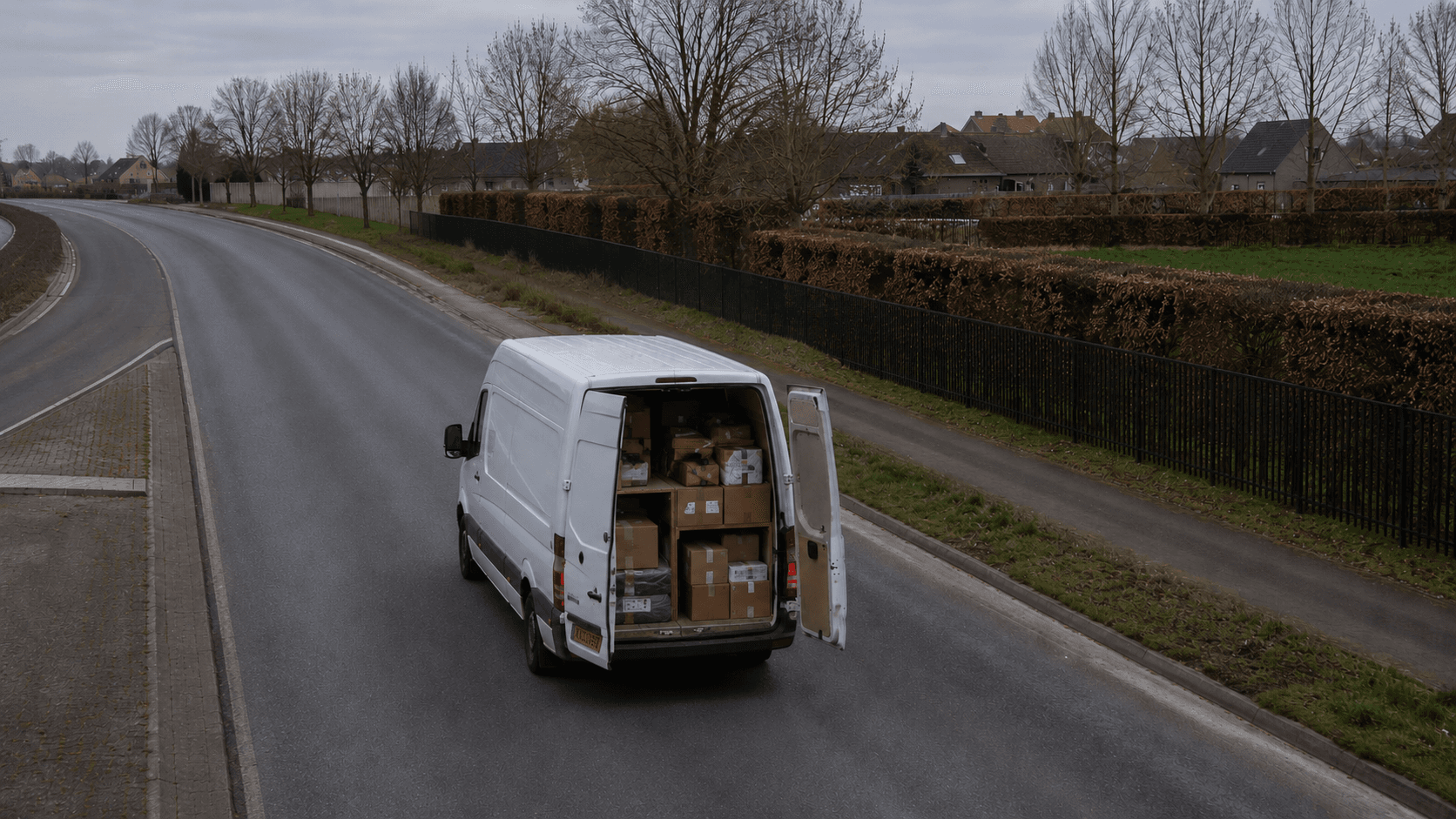
Return-related emissions are a substantial part of fashion's environmental footprint. The reduction levers are: cut return volume, route returns more efficiently when they happen, minimise packaging waste, and report what is actually measurable rather than what sounds impressive.
Zuletzt aktualisiert:
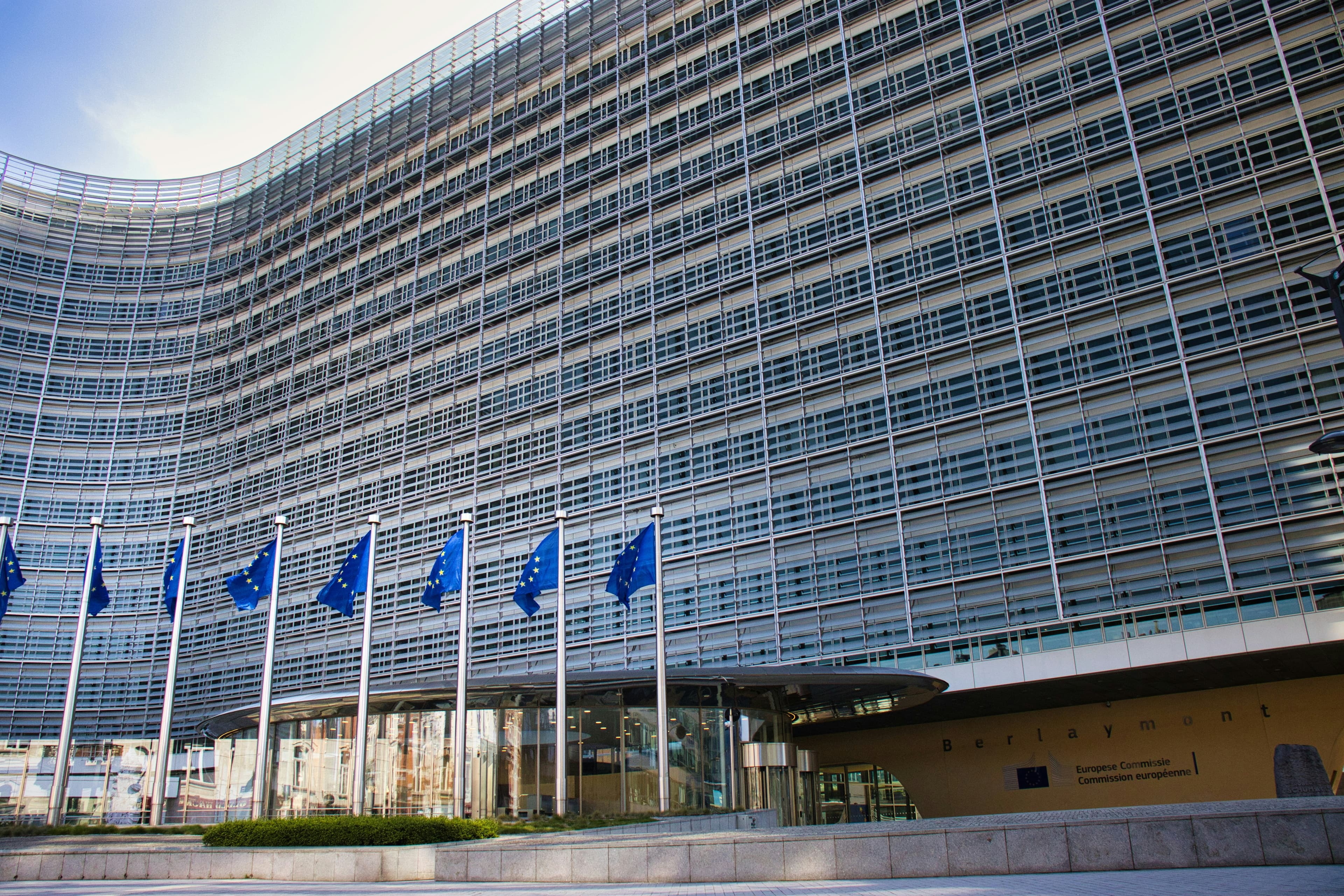
CSRD, PPWR, ECD, ESPR, EPR: five EU regulations transforming fashion retail in 2026. What each requires, the deadlines, and how retailers can prepare across the full compliance map.
Zuletzt aktualisiert:
